
In 1812 Raja Sultan Khan held the heights above Bhimber against a Sikh army sent under Prince Kharak Singh and forced it to retreat: the proudest victory in the history of the Chib rajas.
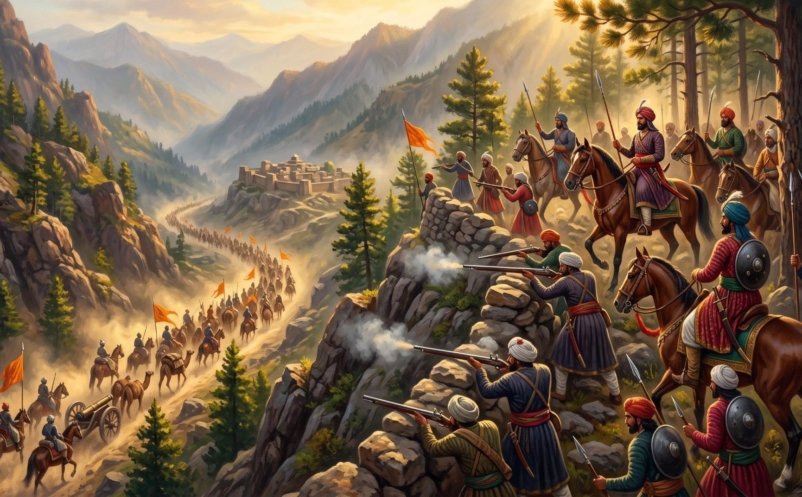

In 1812 Raja Sultan Khan held the heights above Bhimber against a Sikh army sent under Prince Kharak Singh and forced it to retreat: the proudest victory in the history of the Chib rajas.
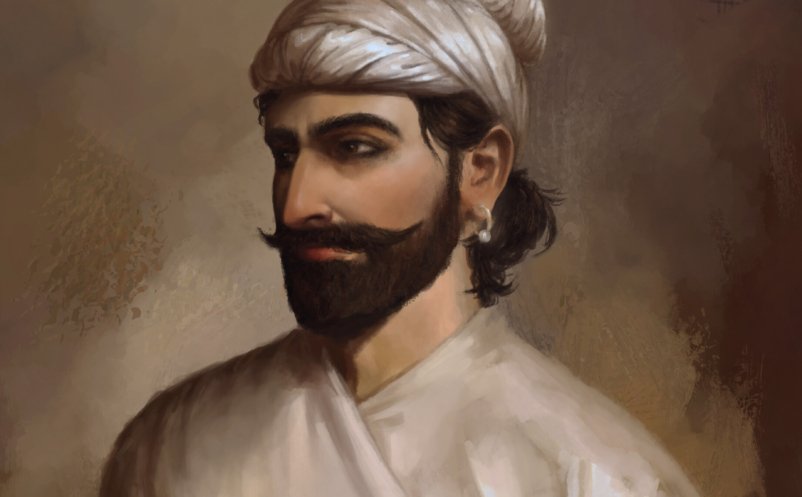
Raja Sultan Khan defended Bhimber against the Sikh kingdom of Lahore for more than a decade. Imprisoned, released and finally killed at Jammu, he was the last independent ruler of the Chibs.
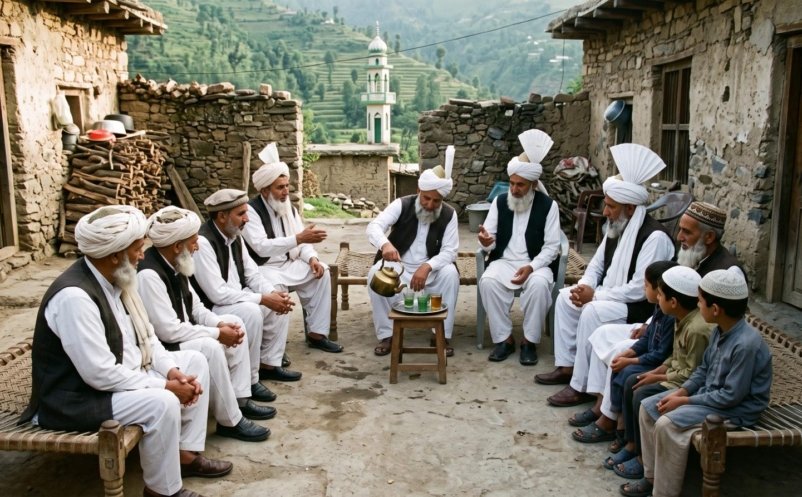
Faith, lineage, honour and hospitality: the customs that have bound the Muslim Chib Rajputs together for five centuries, from the old fiefs of the Bhimber kingdom to the family gatherings of today.
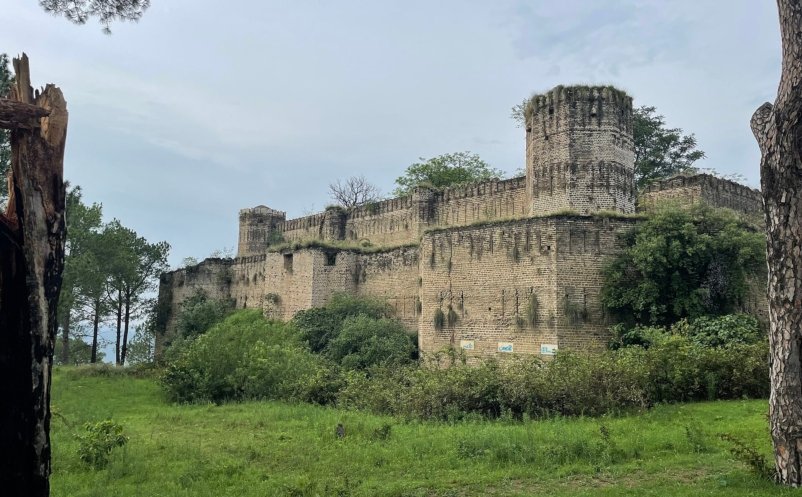
Perched above a lake in the Samahni valley, Baghsar Fort watched over the Mughal road to Kashmir. It came under the Chib rajas of Bhimber, and it holds the burial place of Emperor Jahangir’s entrails.
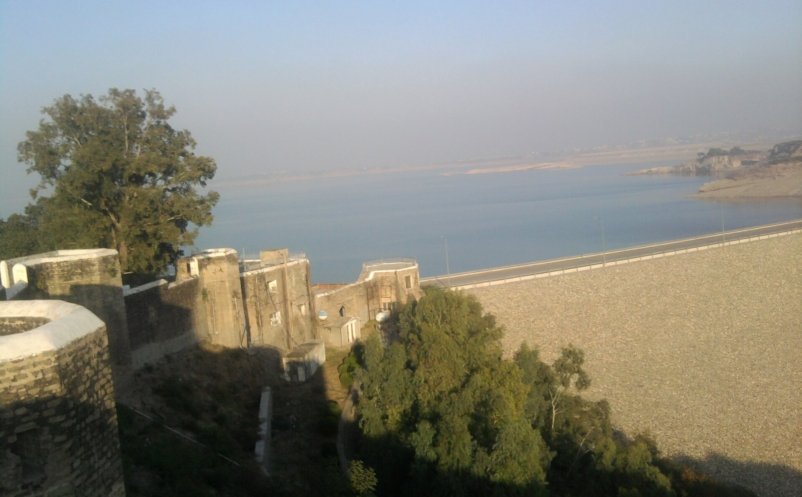
High above the Jhelum at Mangla stands an ancient fort long called a gateway to Kashmir. According to the histories of the hill states, it was the capital of Khari-Khariali, the state founded by Kharak Chand, brother of Raja Chib Chand.
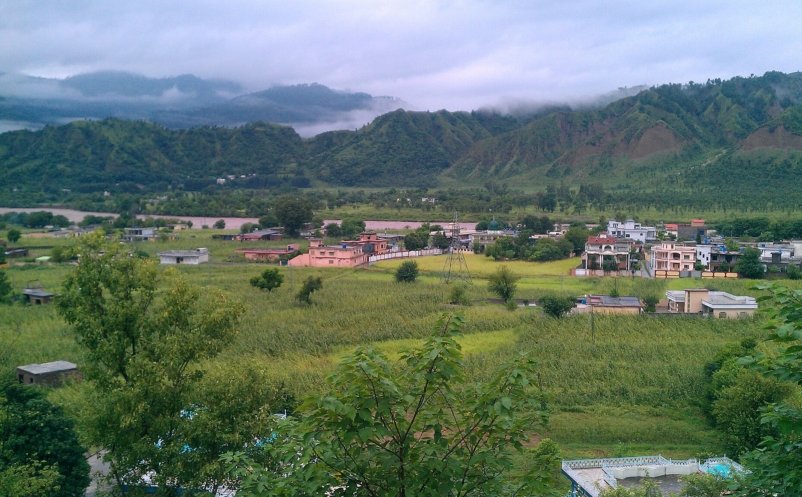
On a high ridge above Karjai village near Khuiratta in Kotli District stand the ruins of Karjai Fort, also known as Devigarh, one of the hill forts of the old Chibhal country.
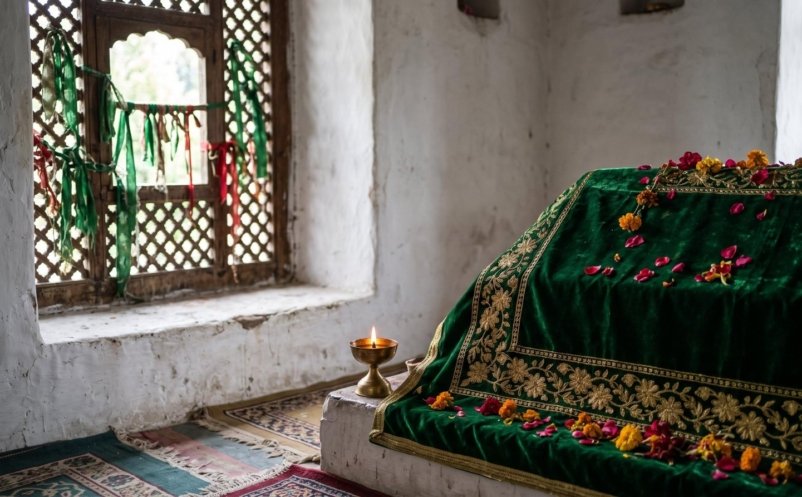
At Jandi Chontra near Bhimber lies the shrine of Baba Shadi Shaheed, ancestor of the Muslim Chibs. For generations Chib families have brought their sons here for the ceremony of the first haircut.