
The hills between the Jhelum and the Chenab were known in ancient times as Darvabhisara, and their king Abisares dealt with Alexander the Great. Later they became Chibhal, the land of the Chibs. The long history of the Chib homeland.
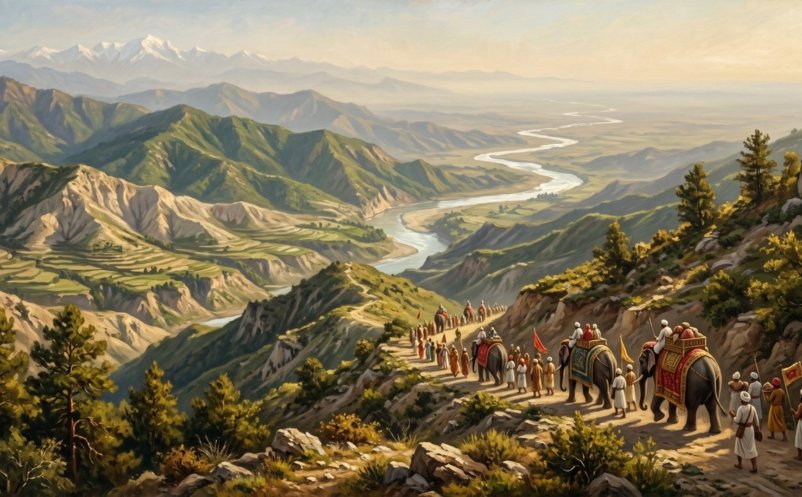

The hills between the Jhelum and the Chenab were known in ancient times as Darvabhisara, and their king Abisares dealt with Alexander the Great. Later they became Chibhal, the land of the Chibs. The long history of the Chib homeland.
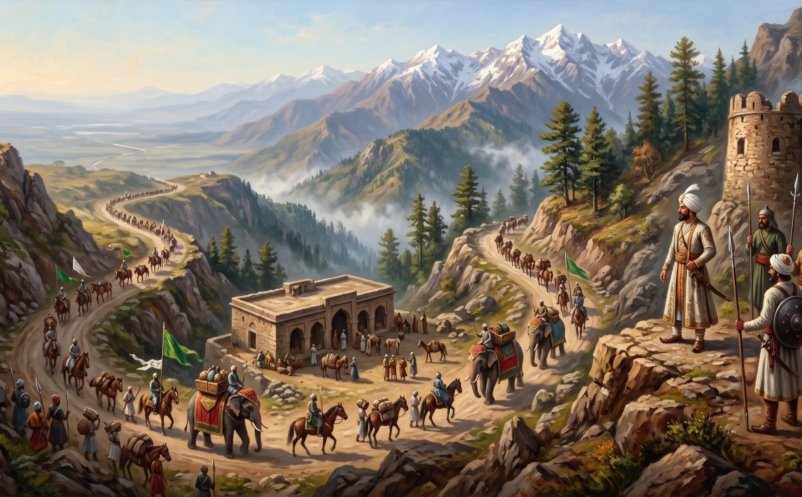
Before the Mughals, Bhimber already guarded the southern road into Kashmir. In the age of the Kashmir Sultans a Chib raja turned back an invading army, fugitives sought refuge in his hills, and the armies of three empires passed beneath them.
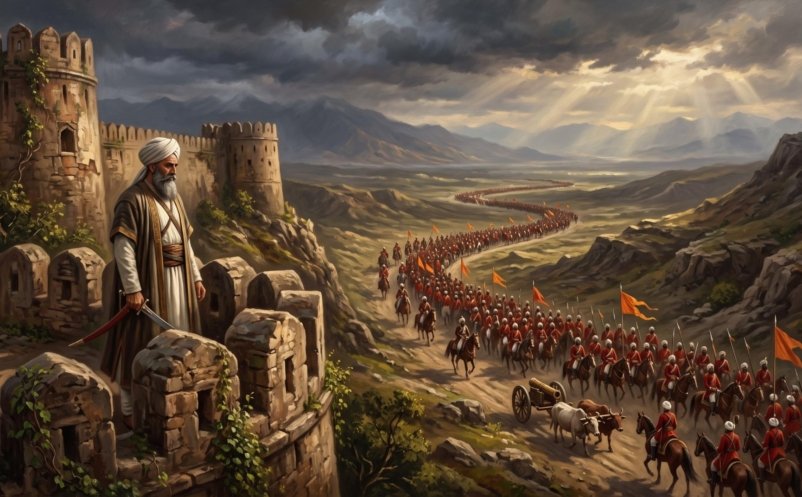
After Raja Sultan Khan, the Chibs lost Bhimber to the rising Dogra power of Raja Gulab Singh of Jammu. How more than four centuries of Chib rule came to an end between the 1820s and the Treaty of Amritsar of 1846, and what became of the old ruling families.
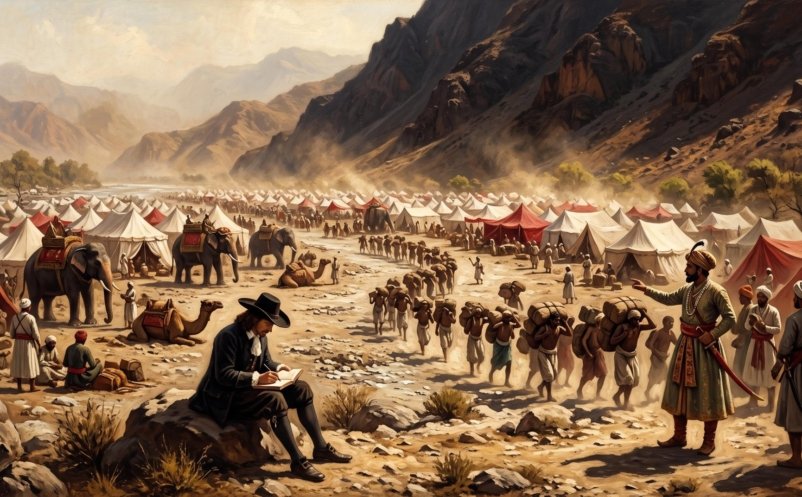
A French doctor in the camp of Aurangzeb, an English veterinary surgeon on his way to Central Asia and an English artist bound for Kashmir: what three European travellers saw at Bhimber between 1665 and the 1830s.
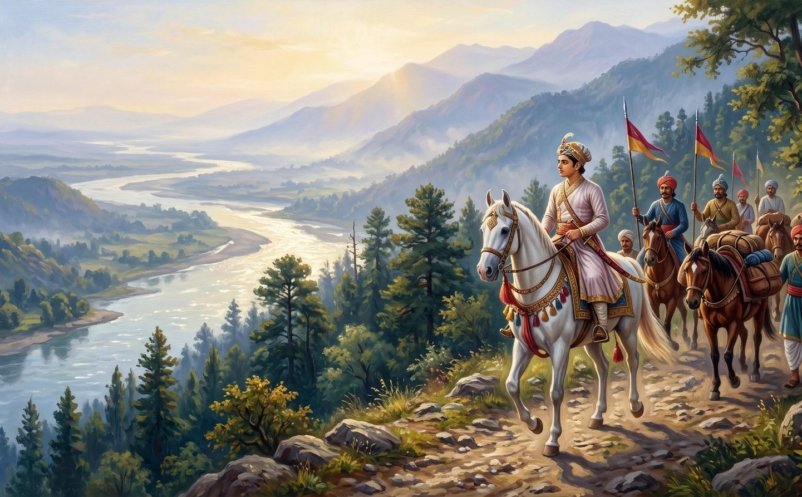
The Chibs descend from the Katoch rajas of Kangra, one of the oldest royal houses of the Himalayas. Around 1400 Raja Partab Chand, son of Raja Megh Chand, founded the Chib state of Bhimber, and his son Chib Chand gave the clan and the land of Chibhal their name.
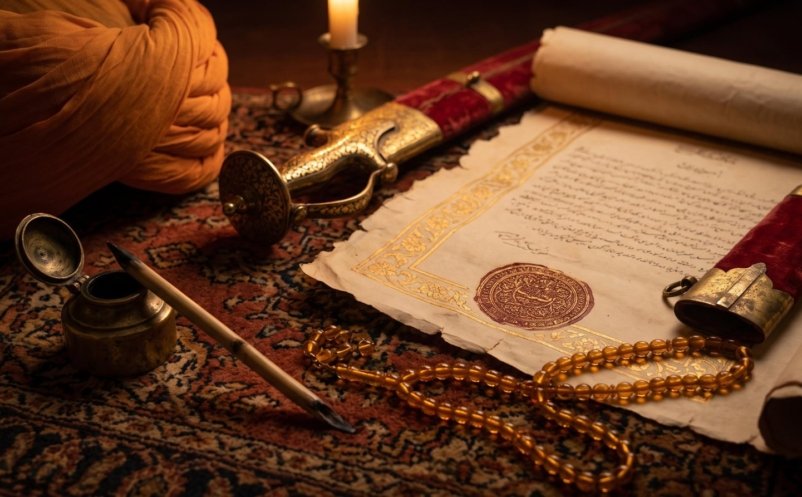
Raja Shadab Khan, also called Sandeep Chand or Raja Dharam Chand and remembered as Baba Shadi Shaheed, was the first Chib ruler to embrace Islam. Every Muslim Chib family traces its descent from him, and his shrine near Bhimber is the spiritual heart of the clan.
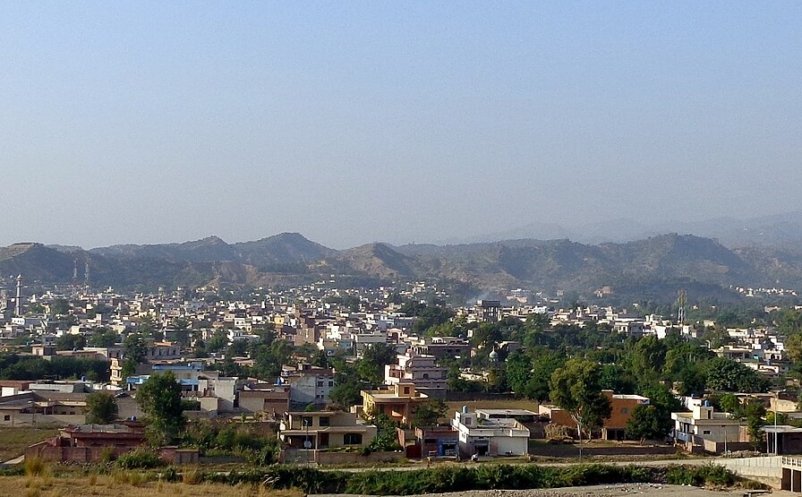
For three centuries the Mughal emperors passed through Bhimber on their way to Kashmir. The Chib capital stood at the foot of the hills, where the imperial road began its climb, and the ruins of the imperial sarai still stand above the town.
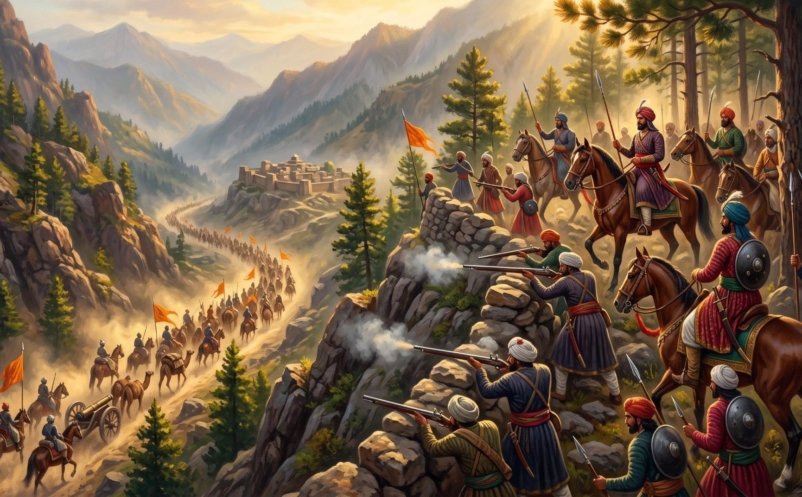
In 1812 Raja Sultan Khan held the heights above Bhimber against a Sikh army sent under Prince Kharak Singh and forced it to retreat: the proudest victory in the history of the Chib rajas.
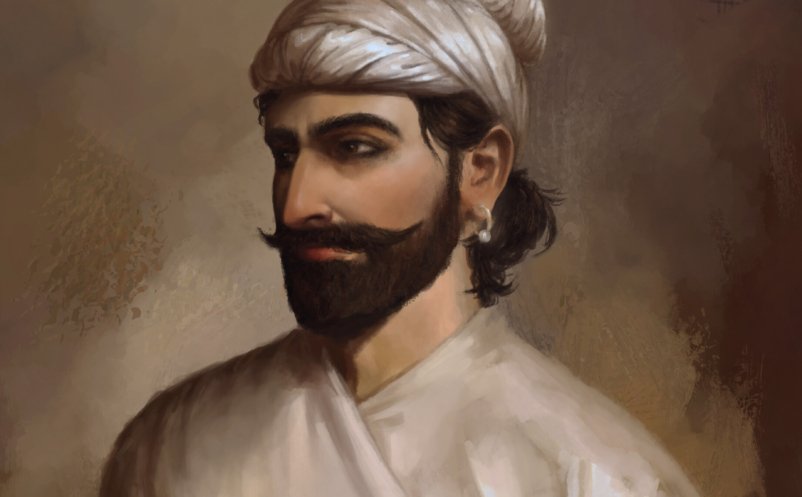
Raja Sultan Khan defended Bhimber against the Sikh kingdom of Lahore for more than a decade. Imprisoned, released and finally killed at Jammu, he was the last independent ruler of the Chibs.
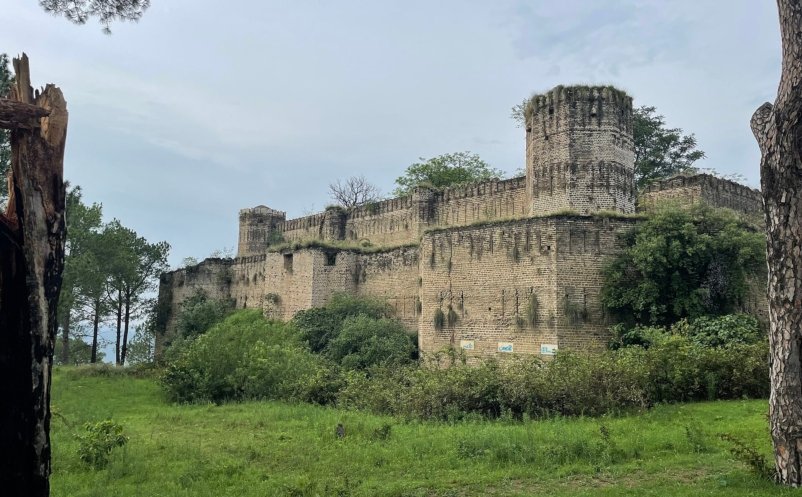
Perched above a lake in the Samahni valley, Baghsar Fort watched over the Mughal road to Kashmir. It came under the Chib rajas of Bhimber, and it holds the burial place of Emperor Jahangir’s entrails.