

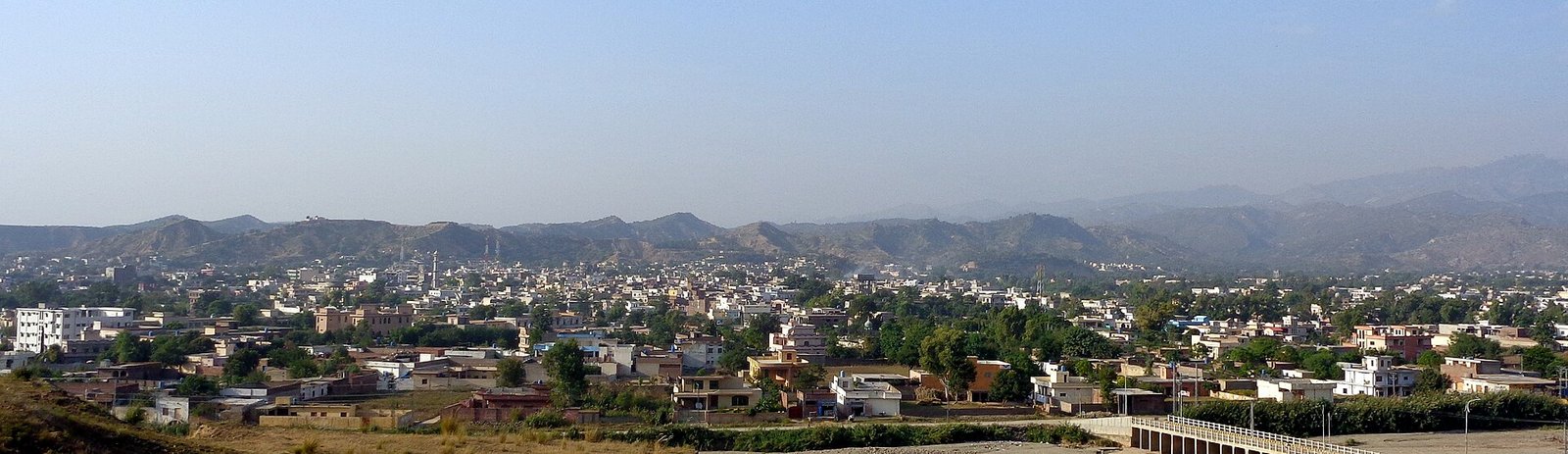
Bhimber lies where the plains of the Punjab meet the first ridges of the Himalaya. For anyone travelling to the Valley of Kashmir it was the last town of the plains and the first of the hills, which is why it has long been called the Gateway to Kashmir. For more than four centuries it was also the capital of the Chib rajas.
On the road of the emperors
After Akbar brought Kashmir into the Mughal Empire in 1586, the emperors and their vast courts travelled between Lahore and Srinagar again and again. Their road ran through Gujrat to Bhimber, then climbed into the hills by way of Naushera and Rajauri and crossed the Pir Panjal into the valley. Akbar’s great survey, the Ain-i-Akbari, lists Bhimber as a district of the province of Lahore, and Emperor Jahangir mentions it in his memoirs. The French physician François Bernier passed through Bhimber in 1665 in the train of Emperor Aurangzeb.
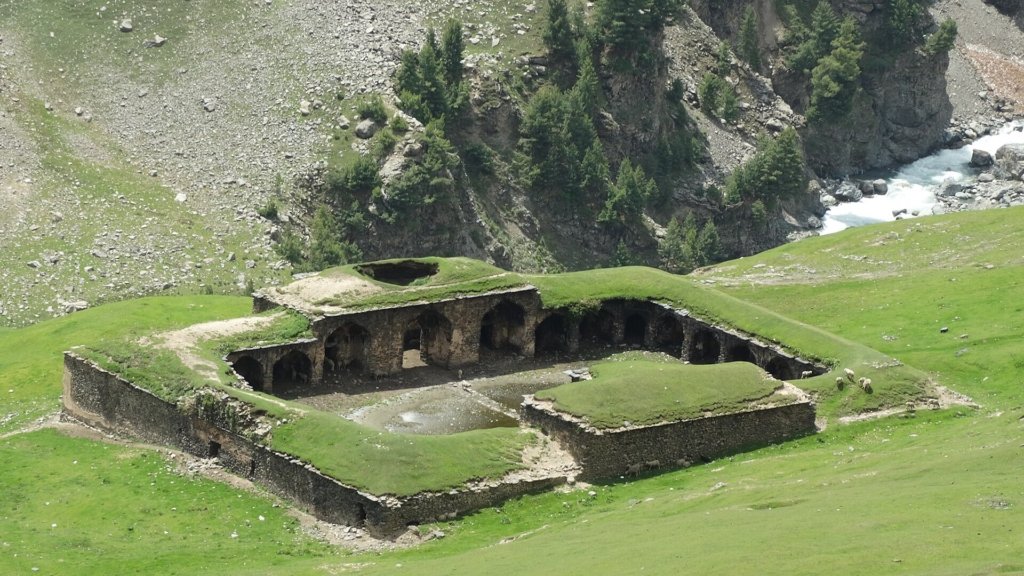
Above the town stood a great sarai, about 300 feet square, which served as the encampment of the emperors while their enormous following camped in the sandy bed of the river below. Its ruins can still be seen today.
The death of Jahangir
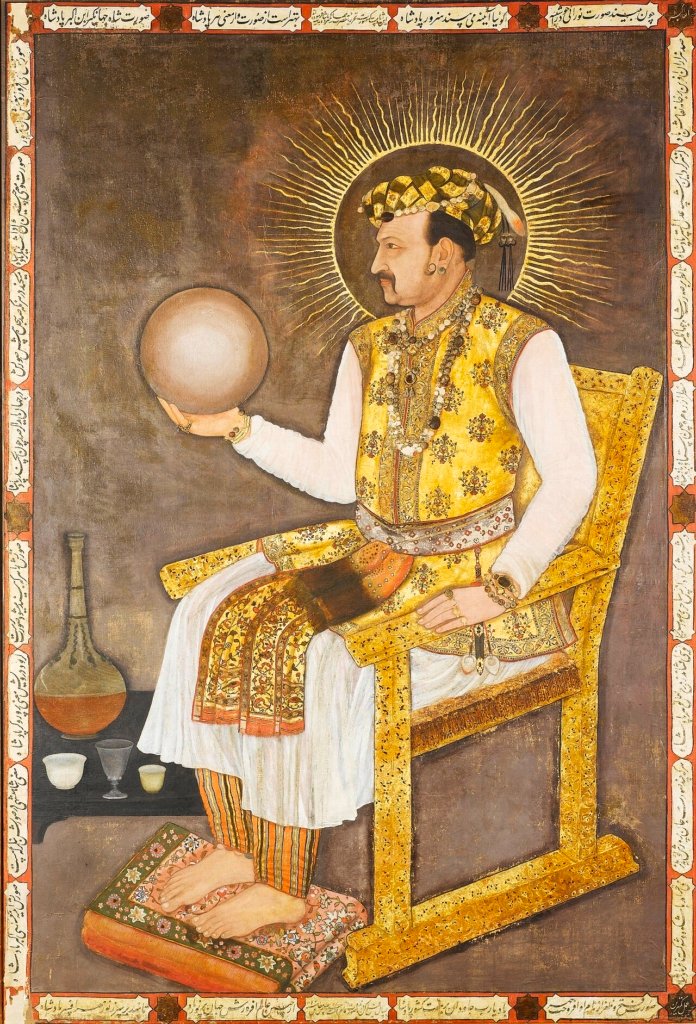
The road through Chib country is tied to one of the best-known moments in Mughal history. In late October 1627, returning from Kashmir to Lahore, Emperor Jahangir died near Bhimber. To preserve his body for the journey, his entrails were removed and buried inside Baghsar Fort, and his body was carried to Lahore, where his tomb stands at Shahdara.
A loyal and favoured state
Because the rajas of Bhimber shared the faith of the Mughal emperors, they stayed loyal to them and enjoyed their favour. At the height of its power the state stretched as far as Naushera on the borders of Rajauri, with a revenue of nine lakh rupees. That long peace ended only with the rise of the Sikhs at the close of the eighteenth century (see The Battle of Bhimber).
Bhimber today
After the fall of the Chib rajas, Bhimber passed to the Sikhs and then to the Dogra rulers of Jammu, who made it the headquarters of a district in 1860. Since 1947 it has been part of Azad Jammu and Kashmir, and today it is the headquarters of Bhimber District and home to many Chib families.
Sources
- J. Hutchison and J. Ph. Vogel, History of the Panjab Hill States, vol. II (Lahore, 1933), “Bhimbar and Khari-Khariyali”, pp. 725–729.
- Abu’l-Fazl, Ain-i-Akbari, trans. H. S. Jarrett (Calcutta, 1891).
- Jahangir, Tuzuk-i-Jahangiri.
- François Bernier, Travels in the Mogul Empire, 1656–1668.