
Baba Shadi Shaheed, Raja Shadab Khan of Bhimber, was the first Chib ruler to embrace Islam: healer of a sultan, Mughal commander and martyr. His full story.
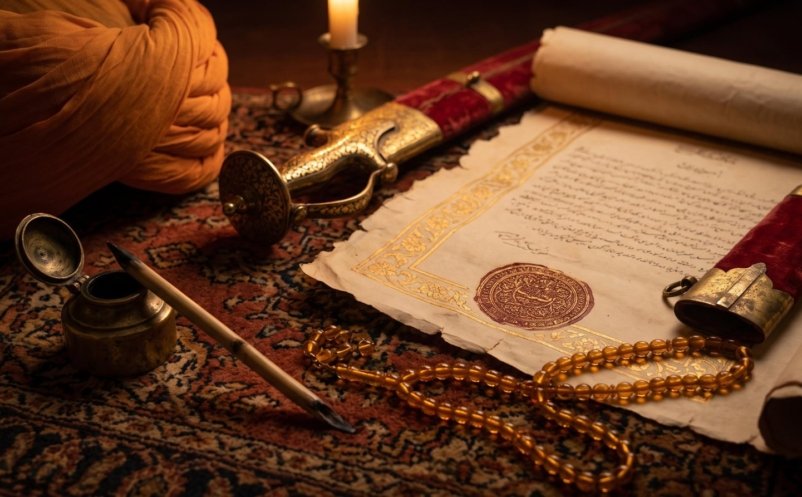

Baba Shadi Shaheed, Raja Shadab Khan of Bhimber, was the first Chib ruler to embrace Islam: healer of a sultan, Mughal commander and martyr. His full story.
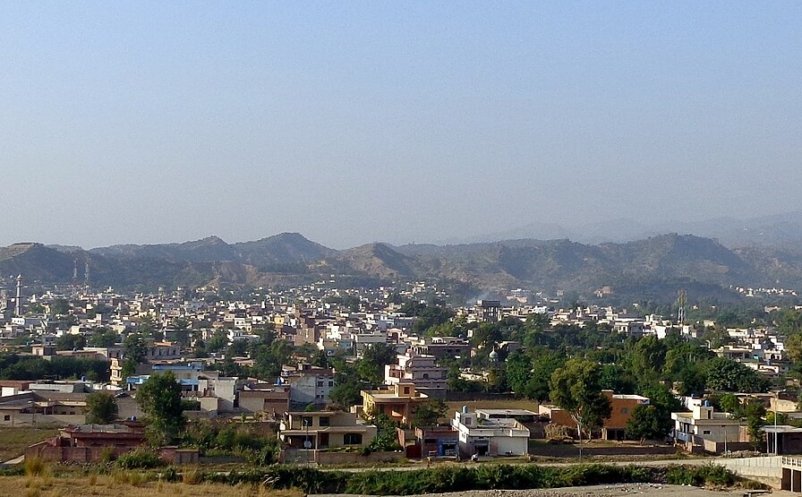
For three centuries the Mughal emperors passed through Bhimber on their way to Kashmir. The Chib capital stood at the foot of the hills, where the imperial road began its climb, and the ruins of the imperial sarai still stand above the town.
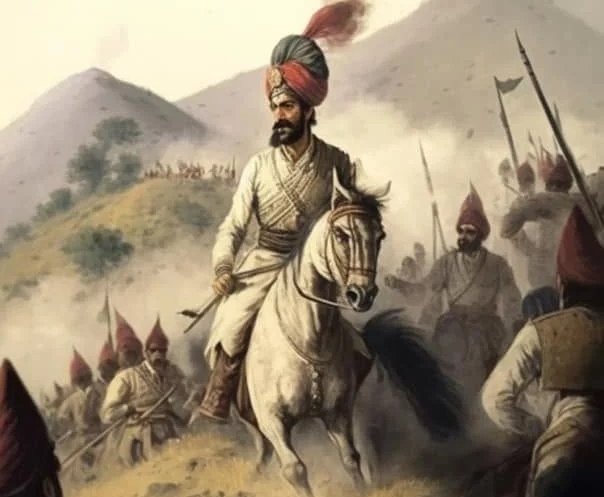
The Battle of Bhimber, 1812: how Raja Sultan Khan turned back a Sikh army, in the colonial histories and the Chib chronicle of Pir Badesar and Chhachho Pir.
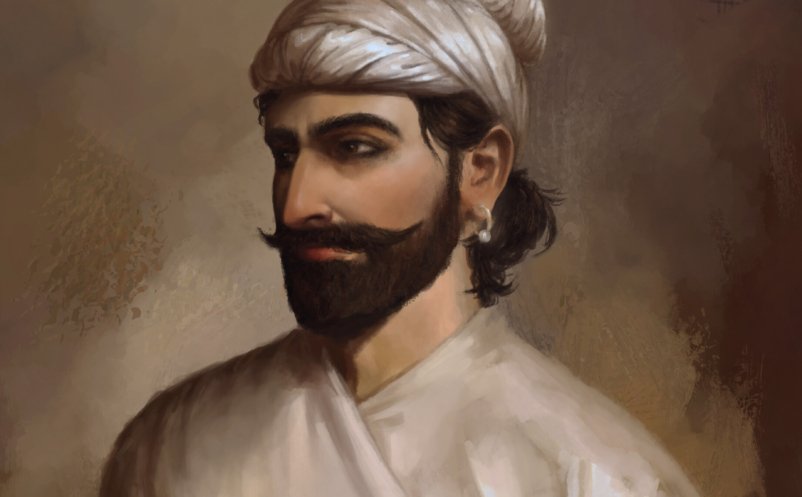
Raja Sultan Khan, last Chib ruler of Bhimber: his reign, Hayat Begum, the Sikh wars, Gulab Singh and the conflicting accounts of his death at Jammu.
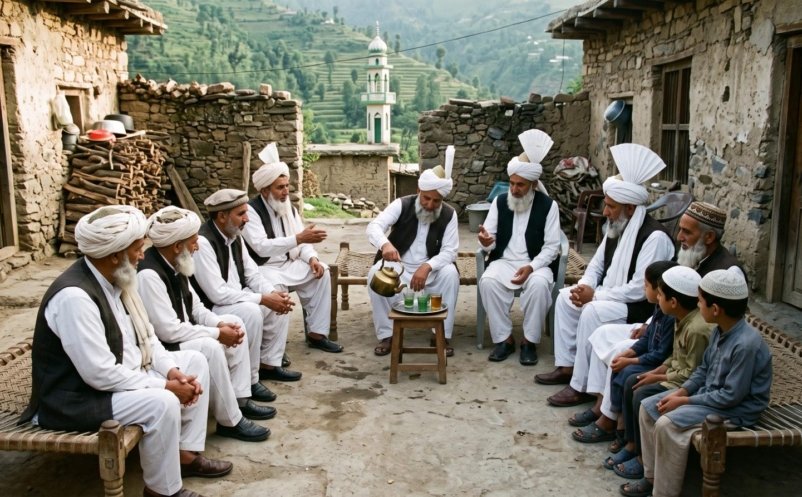
Chib customs and traditions: the first haircut at Baba Shadi Shaheed’s shrine, bread for a Teli at weddings, the healing toe, the tikka and the urs.
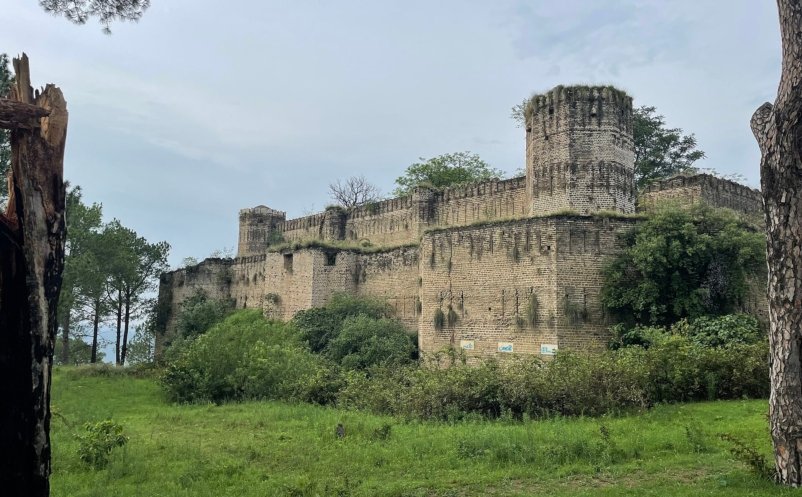
Perched above a lake in the Samahni valley, Baghsar Fort watched over the Mughal road to Kashmir. It came under the Chib rajas of Bhimber, and it holds the burial place of Emperor Jahangir’s entrails.
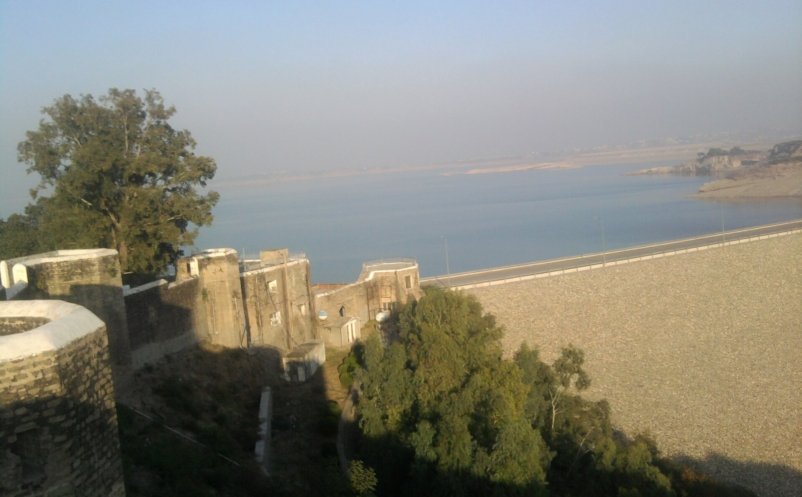
Mangla Fort on the Jhelum: seat of the Chib state of Khari Kariali, its rajas, the Sikh siege of 1810, Raja Akbar Ali Khan’s peace and the sources.

Karjai Fort, or Devi Garh, crowns Karjai mountain above the Banah Valley near Khui Ratta, Kotli: Mughal in local memory, credited to Gulab Singh in the book.
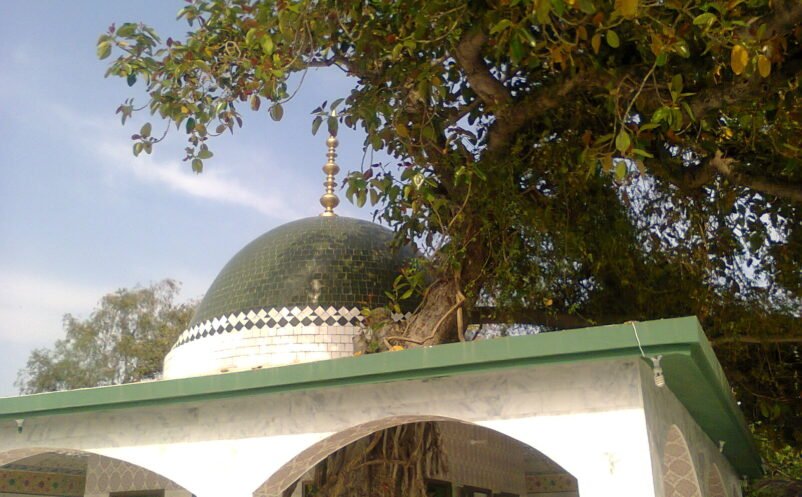
Baba Shadi Shaheed shrine on Aadhi Dhak near Bhimber: its tanks, mosques and graves, the two-coloured jasmine, the urs and the Chib first-haircut rite.